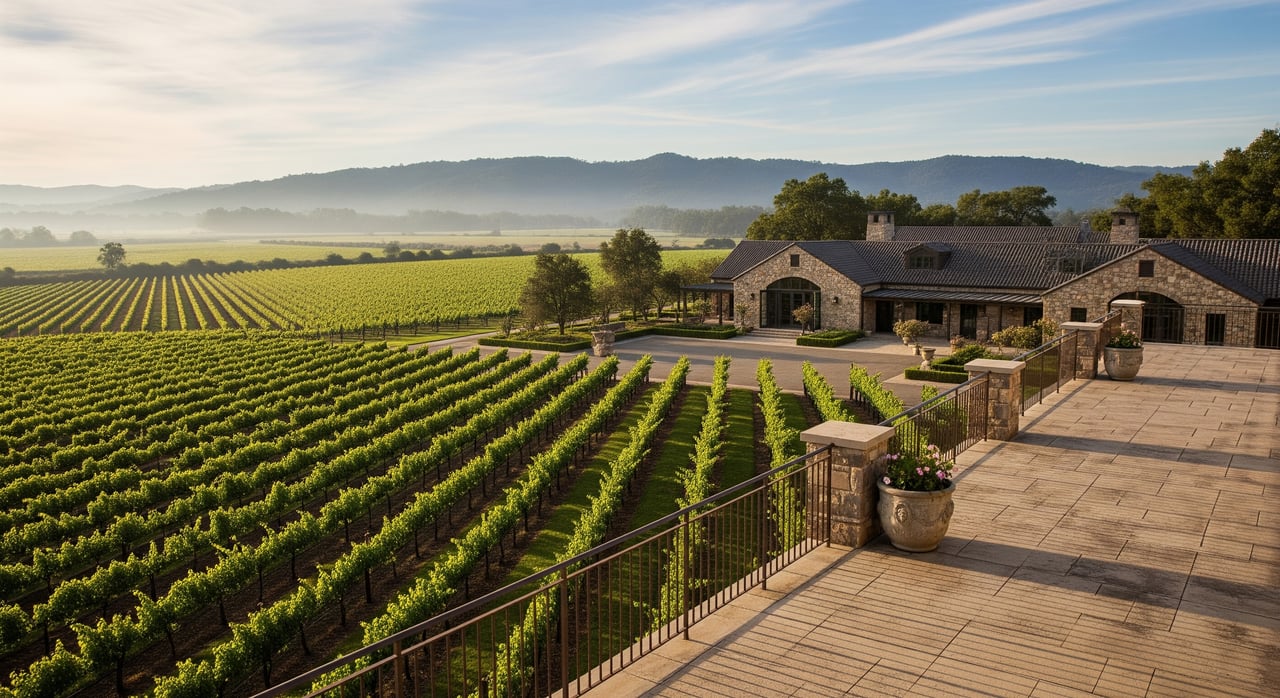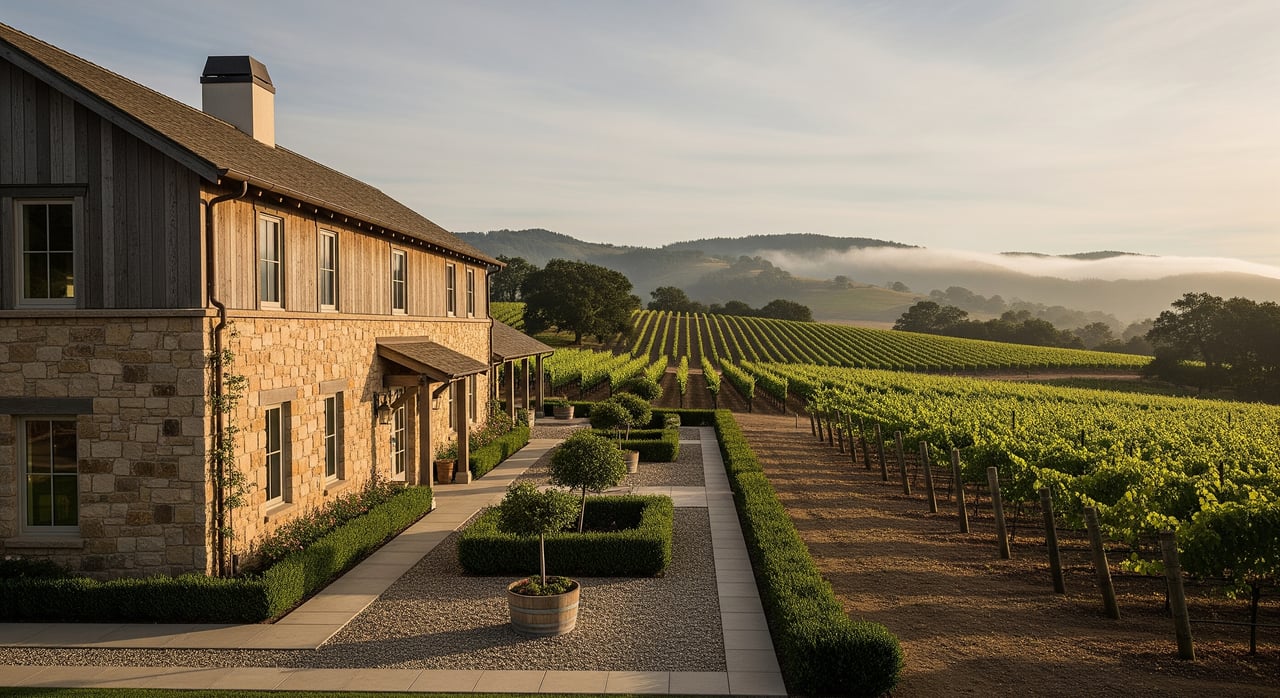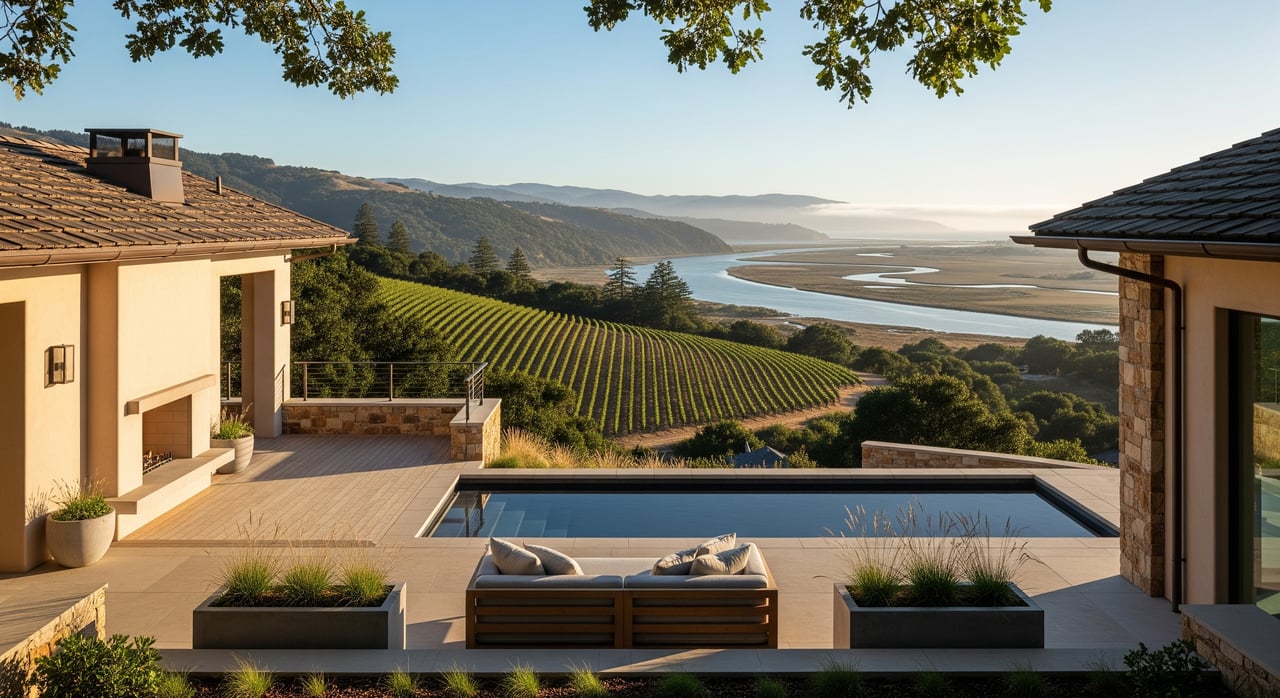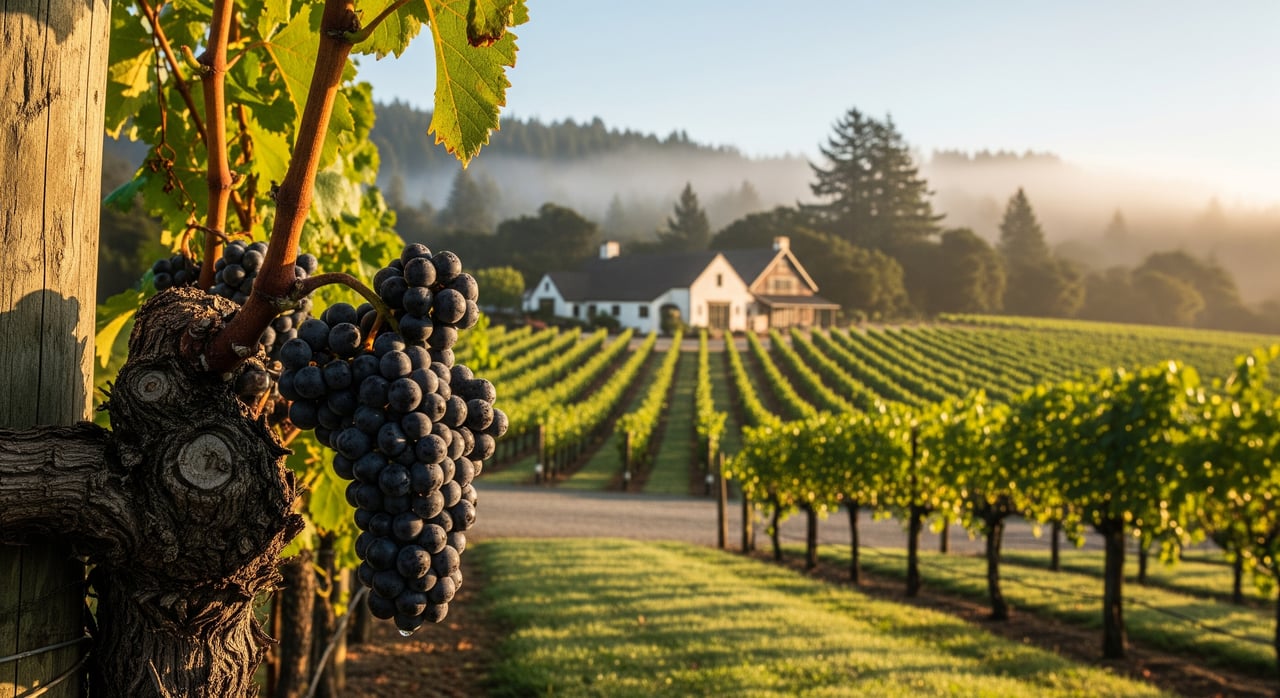
What is the single number that most often moves vineyard value in Anderson Valley? For many buyers and sellers in 95466, it is tons per acre. When you understand how yield connects to grape quality, contract pricing, and risk, you can read a parcel’s value story with much more confidence. In this guide, you will learn how to use yield history, varietal mix, and contract terms to make smarter decisions. Let’s dive in.
Why yields matter in 95466
In Anderson Valley, you are dealing with a cool coastal climate, frequent fog, and big day-to-night temperature swings. That mix favors grapes that thrive in cooler settings and deliver higher natural acidity. It also sets the stage for lower, quality-focused yields that carry a premium in the market.
Anderson Valley snapshot: climate and varietals
Anderson Valley is known for Pinot Noir, Chardonnay, and base grapes for sparkling wines. You will also see Alsatian-style whites like Riesling and Gewurztraminer in smaller but meaningful amounts. These varieties are typically grown with quality in mind, so they are not pushed for high tonnage the way bulk fruit might be in warmer regions.
How lower yields link to price and demand
In this AVA, wineries often pay more for high-quality fruit and vineyard-designate lots. Pinot Noir in particular is managed for lower tons per acre and rewarded with stronger per-ton pricing. Because the region produces wines with balance and acidity, many buyers expect lower yield numbers compared to hotter parts of California and are willing to pay for it.
Read tons per acre the smart way
Yield is simple to define and easy to misuse. A single season can mislead you. The right way to read it is with multi-year context and a clear sense of what drives it.
Benchmarks you can use
Use these general quality-focused ranges as a starting point for West Coast cool-climate sites:
- Premium Pinot Noir: about 1.5 to 3.5 tons per acre
- Chardonnay and other quality-oriented whites: about 2 to 4 tons per acre
- Bulk or hot-region production: often 4 to 8 tons per acre or more
Actual outcomes depend on vine spacing, clone and rootstock, trellis, irrigation, crop thinning, and vine age. Year-to-year weather swings also matter, so compare at least three to five vintages.
What drives yield on your site
If you want to understand a block’s potential in Anderson Valley, review these factors:
- Varietal genetics, clone, rootstock, and vine density
- Vine age and health
- Trellis type and canopy management
- Water availability and irrigation strategy
- Soil depth, fertility, drainage, and rooting depth
- Crop thinning and other quality practices
- Pest and disease history
- Frost and spring weather patterns
- Harvest approach, including passes and select picking
Look beyond a single season
Do not anchor value on one bumper or short year. Ask for a minimum of 3 to 5 years of harvest records by block. Stable, repeatable output is a positive signal. Extreme volatility is a red flag unless it is clearly linked to one-off weather events with strong recovery afterwards.
Contracts that convert yield into value
Yield alone does not set value. You turn tons into dollars through grape sale contracts. In Anderson Valley, the contract story often separates premium vineyards from commodity production.
Core terms to scrutinize
Look closely at these elements in any winegrape purchase contract:
- Base price per ton and how price is adjusted
- Quality premiums and penalties for must chemistry and other specs
- Packout and acceptance rules
- Term length and renewal options
- Harvest, delivery, and sorting responsibilities
- Payment timing, advances, and any retentions
- Planting and removal clauses that affect future yield
- Restrictions on selling fruit to third parties
Longer terms with reputable buyers reduce revenue risk and usually support higher land value. Short-term or spot sales create uncertainty and often lead to wider price swings.
What commands premiums in Anderson Valley
- Varietal and designation: Pinot Noir and AVA or single-vineyard designates tend to command higher prices per ton.
- Reputation and relationships: Long-standing ties to wineries that bottle vineyard-labeled wines are a strong value signal.
- Scarcity and block traits: Older, well-sited blocks with sought-after clones or consistently low yields can attract premiums.
- Logistics: Easy access to processing facilities and roads adds to desirability.
How to read public prices versus contracts
Public data sources publish county or regional averages for grape prices and tons. Those averages can be useful context, but they mix premium and commodity fruit. For valuation in Anderson Valley, contract-level pricing with real winery counterparts is more accurate than broad averages.
Turn production into land value signals
You do not need a complex model to make sense of vineyard value drivers. Start simple, then layer in risk and quality.
Simple revenue logic
A basic way to frame operating potential is:
- Gross revenue per acre = tons per acre × price per ton
From there, estimate net operating income by subtracting operating costs and consider risk. Investors often apply a capitalization metric to connect stable income to market value. Owner-operators may also weigh strategic factors like AVA cachet, winery brand needs, and replacement cost.
Due diligence checklist for 95466
When you evaluate a parcel in Anderson Valley, request and verify:
- Multi-year harvest records by block for at least 3 to 5 vintages
- Copies of existing grape contracts, including price, term, and quality clauses
- Packout and acceptance rates, and any rejections
- Vineyard map with clones, rootstock, planting year, vine spacing, and varietal layout
- Irrigation system details and confirmed water rights or sources
- Cost of production or P&L per acre
- Soil reports and any pest or disease history
- Permits or restrictions, including any conservation or Williamson Act items
- Evidence of grape sales to buyers, including invoices and payment history
- Capital needs and replant schedules
Interpreting common scenarios
- Consistent low yields with high and stable prices point to a premium site and generally support higher per-acre value.
- High yields paired with low per-ton prices suggest more commodity-style production, where value tracks productivity and broader ag land comps.
- Big swings in tons per acre year over year increase risk. Investors usually discount value unless strong contract terms offset the volatility.
- Long-term contracts with credible wineries reduce risk and increase value. Spot sales raise uncertainty and may suppress price.
Negotiation and appraisal tips for 95466
An organized production and contract package helps a seller defend value and helps a buyer see upside and risk clearly.
What raises per-acre price
- Vineyard-designate contracts at premium pricing
- Established reputation and older, high-quality vines, if they align with buyer goals
- Consistent packout and low-yield, high-quality history
- Proximity to processing facilities and good harvest access
- Unique clones or in-demand plantings
- Certifications such as organic, biodynamic, or sustainability programs
- Strategic owner-operator potential for winery or direct-to-consumer plans
What dampens value
- Irregular yields or severe vintage volatility
- Low packout or frequent contract non-acceptance
- Significant capital needs for replanting or irrigation repairs
- Water uncertainty or costly access
- Fragmented, hard-to-farm blocks
- Persistent disease or trunk disorder issues
Appraisal inputs to request
- Multi-year average yield per block
- Contract price per ton and term details
- Remaining vine life and likely replant timeline
- Operating cost estimates by acre
- Known capital needs and timing
- Recent harvest summaries and grape sale documentation
Put it together in Anderson Valley
In 95466, value often rewards the combination of lower, intentional yields and solid, long-term contracts for Pinot Noir, Chardonnay, and sparkling base fruit. Public averages can help with context, but the strongest valuation evidence comes from block-level production history and signed contracts with established winery buyers. If you assemble that data, you can negotiate with clarity and price your acquisition or sale with confidence.
If you would like a discreet review of your vineyard’s production profile and contracts, or you need guidance sourcing the right parcel in Anderson Valley, connect with Mark Stevens. You will get senior-principal attention, technical vineyard insight, and a confidential process designed for complex wine-country assets.
FAQs
What is a good tons-per-acre range for Anderson Valley Pinot Noir?
- For quality-focused sites, many growers target about 1.5 to 3.5 tons per acre, depending on vine density and management.
How many years of yield history should I request when buying in 95466?
- Ask for at least 3 to 5 consecutive vintages by block to understand normal variability and trend.
Do long-term grape contracts increase vineyard value in Anderson Valley?
- Generally yes, because longer terms with credible wineries reduce revenue risk and support stronger per-acre pricing.
Are county-average grape prices reliable for valuation?
- They are a helpful starting point but can mislead, since averages combine premium and commodity fruit; contract-level prices are better for valuation.
What due diligence matters most for a Mendocino AVA vineyard purchase?
- Harvest records, contract copies, packout history, water rights, cost of production, soil and disease reports, and any planned replanting or capital needs.
How do frost and spring weather affect Anderson Valley yields?
- Frost and spring conditions can sharply reduce set and cluster development, so yields can swing; multi-year records help you account for this risk.