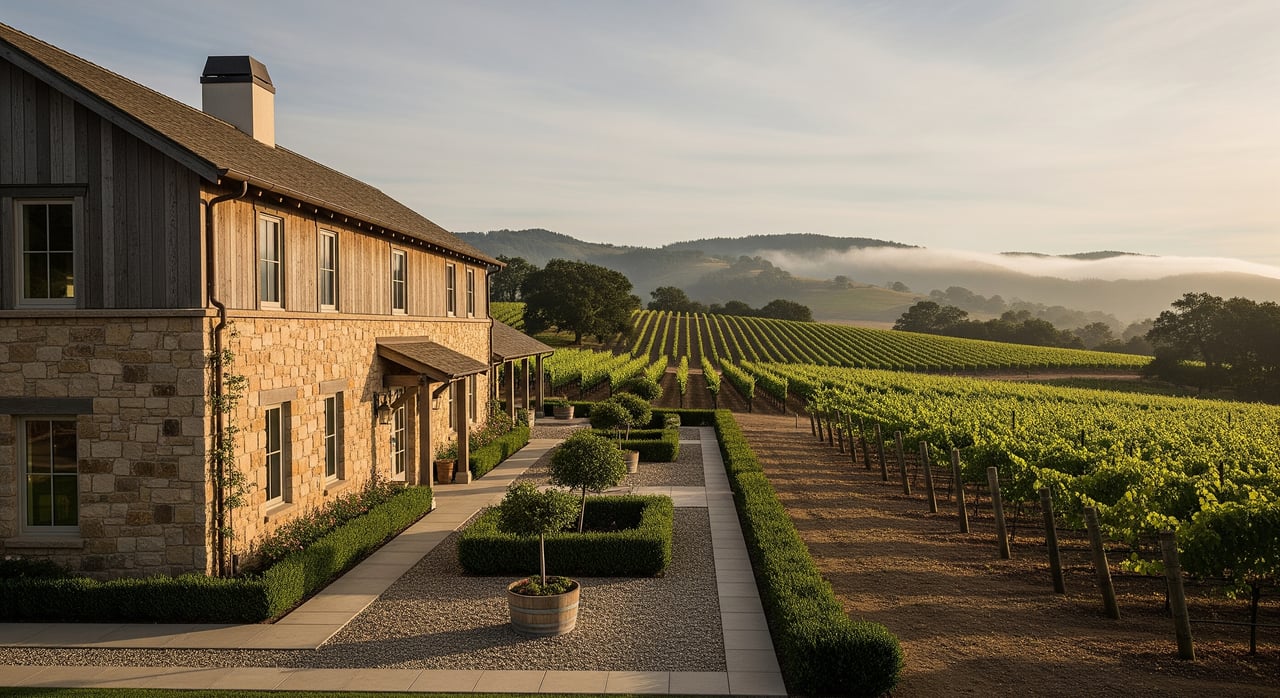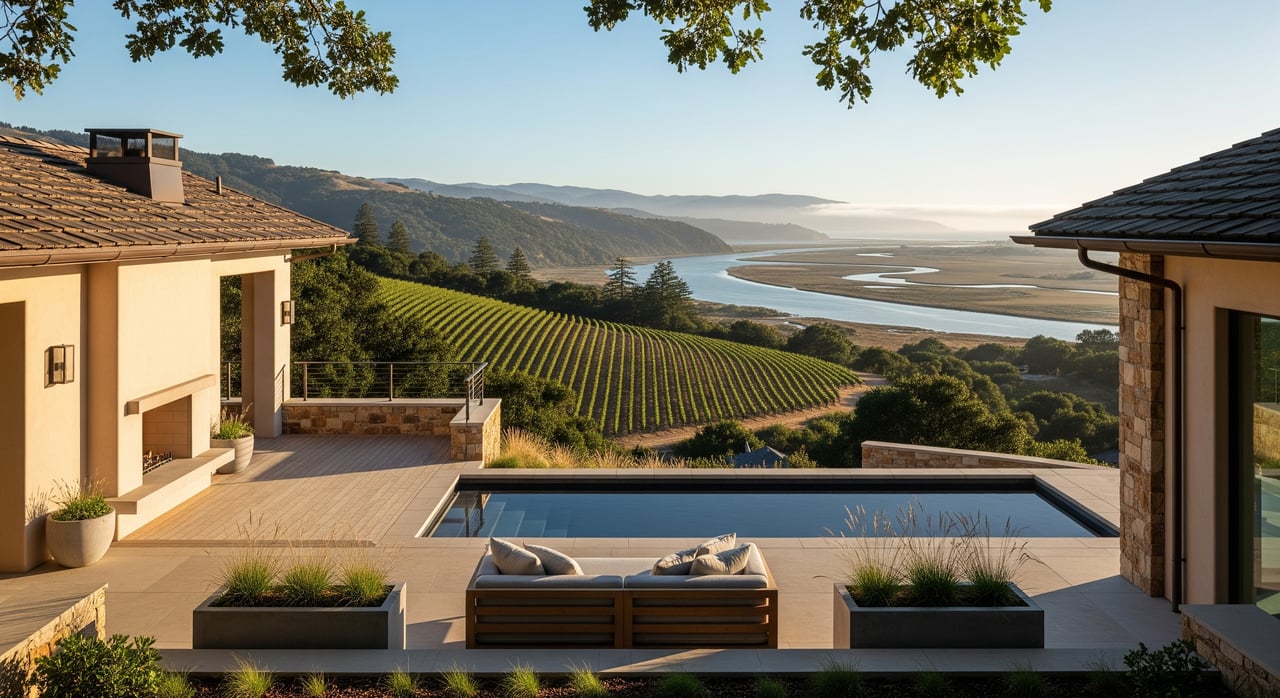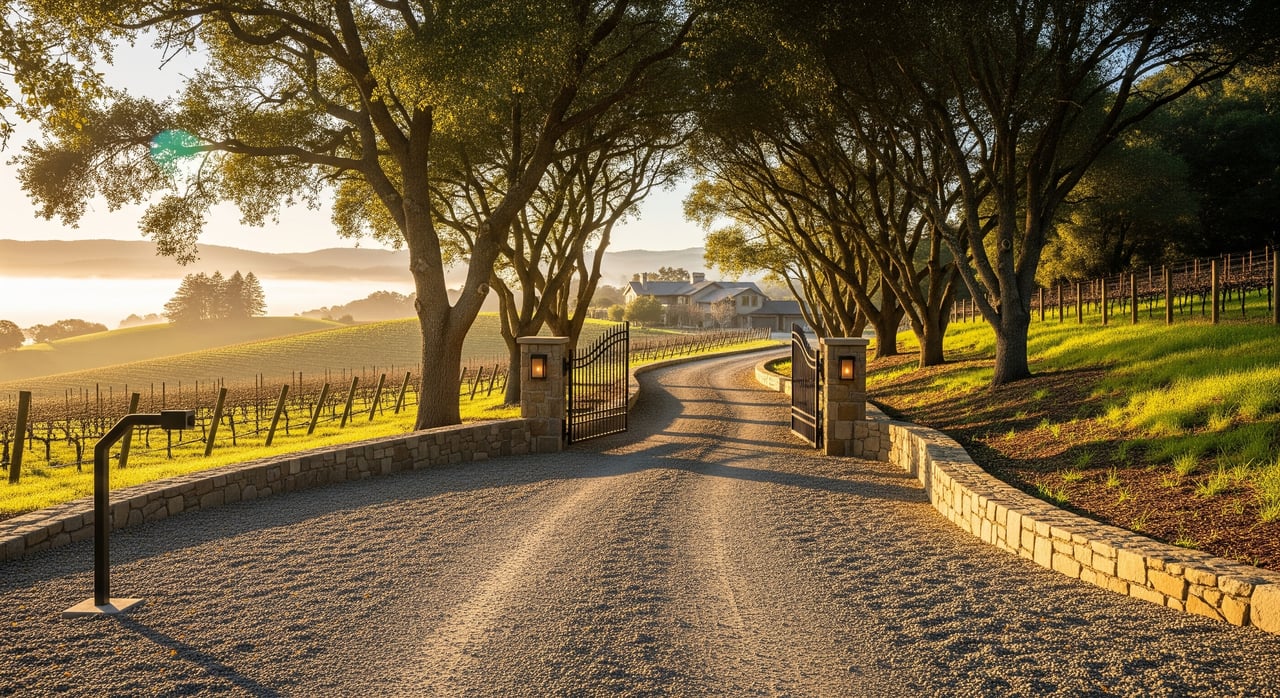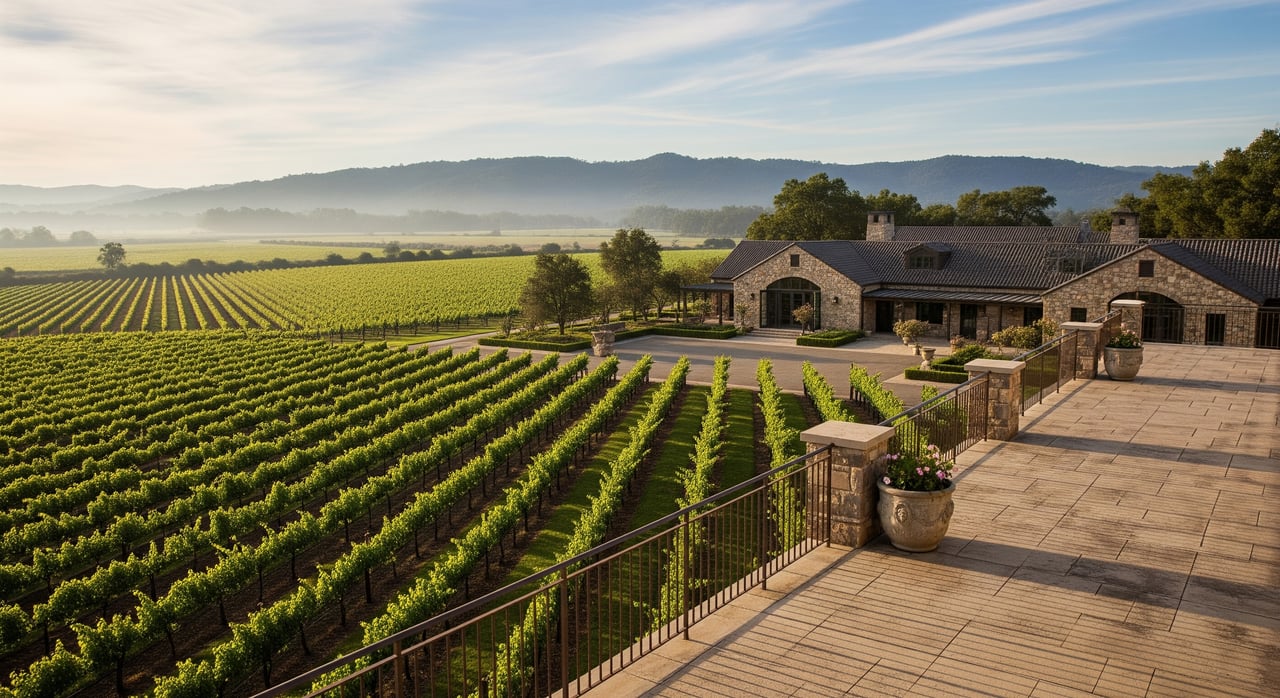
Thinking about buying vineyard or estate property in Napa County? If so, you have likely heard about the Agricultural Preserve and wondered what it means for what you can build, how you can use the land, and how it may affect your taxes. You want clarity before you invest time and capital. This guide gives you a practical, plain-English overview of how the Preserve works and how it can shape your plans and budget. Let’s dive in.
Napa’s Ag Preserve in plain terms
Napa’s Agricultural Preserve is the county’s framework for keeping farmland in production and open space. It combines county planning and zoning, voluntary conservation easements, and the state’s Williamson Act program to protect agricultural land and limit non-farm development.
In simple terms, land inside the Preserve is meant to remain agricultural. That means vineyards, orchards, grazing, and related farm uses are prioritized. Cities and towns absorb most non-ag growth, while rural land stays focused on farming and conservation.
County policies and the General Plan put these goals into action. Parcel-specific zoning and any recorded agreements, like conservation easements or Williamson Act contracts, guide what you can do on a given property.
Key rules and programs
Williamson Act basics
Under California’s Land Conservation Act, often called the Williamson Act, landowners can enter a contract that limits non-agricultural uses in exchange for property tax assessment based on agricultural use value. This can reduce annual taxes for qualifying agricultural parcels. Contracts usually transfer to a new owner on sale. Learn more in the California Department of Conservation’s overview of the Williamson Act program.
Napa General Plan and zoning
Napa County’s General Plan, especially the Agriculture and Agricultural Resources policies, sets the Preserve vision and directs how zoning standards are applied. Before buying, review the county’s General Plan resources and confirm a parcel’s zoning and allowable uses with Planning, Building, and Environmental Services. For questions about uses and permits, start with PBES’ Planning and permitting information.
Conservation easements
Some parcels include conservation easements held by local land trusts. Easements are typically permanent and can reduce or prohibit certain future uses or new development. For background on local conservation, visit the Land Trust of Napa County.
What you can do on preserved land
- Agricultural production. Vineyards, orchards, grazing, and other commercial farming are primary permitted uses. On-farm structures like barns and irrigation systems are typically allowed with standard permits.
- Winery and vineyard-related uses. Vineyard establishment and many winery-related activities can be permitted, often with winery-specific use permits for processing, visitation, and marketing events as required.
- Agricultural residences. A primary agricultural residence and farmworker housing may be allowed, subject to parcel zoning, size, and location rules. Accessory dwelling units require careful review because state ADU law interacts with local agricultural zoning.
- Conservation and stewardship. Habitat restoration, erosion control, and other conservation practices are consistent with Preserve goals and may be encouraged.
Note: Allowed uses vary by parcel. Zoning, any Williamson Act contract, and any conservation easement will shape what is possible.
What is restricted or complicated
- Subdividing and minimum lot sizes. Agricultural zoning often limits subdivision to avoid fragmenting farmland. Minimum parcel sizes are common, and rules vary by parcel and district.
- Non-ag commercial development. Uses such as hotels, standalone retail, or large event venues face restrictions or require discretionary approvals. These uses are usually directed to cities and towns rather than rural agricultural land.
- New structures or changes of use. Converting agricultural land to non-farm uses or adding substantial non-ag buildings typically requires discretionary approvals and can trigger environmental review under CEQA. Expect associated permits for grading, water, septic, and stormwater.
- Winery visitation and events. Public tasting rooms and events are regulated through county winery permits that specify daily visitors, marketing events, parking, traffic, and wastewater limits.
- Environmental overlays. Riparian setbacks, oak woodland protection, watershed and wildfire requirements, and sensitive habitat rules can further limit building envelopes or new vineyard development.
Taxes, value, and financing
If a parcel is under a Williamson Act contract, property taxes are generally assessed based on agricultural use value, not the highest-and-best-use market value. This may reduce annual taxes. Contracts usually continue after a sale under the same terms.
Canceling a Williamson Act contract to enable non-ag development is a formal process that can involve reviews, fees or penalties, and long timelines. Conservation easements are typically perpetual and can reduce development potential and affect valuation.
In the market, preserved agricultural land is valued for its income potential and rural character, but with reduced speculative upside from subdivision or non-ag development. Lenders and appraisers evaluate the land’s restricted highest-and-best-use, and financing often reflects agricultural operations and infrastructure needs.
Owners should budget for vineyard establishment and maintenance, irrigation, labor, regulatory compliance, and infrastructure such as farm roads, wells, septic, and wastewater systems tied to winery or tasting operations.
Buyer due diligence checklist
- Confirm Preserve status. Verify if the parcel is within the Agricultural Preserve and check the General Plan land-use designation.
- Verify contracts and easements. Determine if a Williamson Act contract or conservation easement is recorded and obtain copies.
- Check zoning and permitted uses. Confirm allowed uses, minimum parcel size, and whether winery activities, ADUs, or farmworker housing need special permits.
- Review building history. Look at prior permits, building envelopes, setbacks, and any enforcement actions.
- Map the entitlement path. For planned changes, ask county planning about likely permit routes, CEQA requirements, fees, and timelines.
- Understand tax implications. Consult the assessor or a tax advisor about current assessment, any use-value benefits, and costs of contract cancellation.
- Assess water and septic. Verify water rights and sources and confirm septic feasibility with county environmental health.
- Identify environmental constraints. Check for riparian buffers, protected habitats, oak protections, and wildfire siting requirements.
- Study the market. Review comparable sales and demand trends for preserved agricultural parcels.
- Confirm lending and insurance. Ask lenders about financing preserved ag land and obtain quotes for wildfire, farm liability, and winery-related coverage.
What it means for you
Lifestyle buyer takeaways
You gain scenic protection and agricultural surroundings that support a quiet rural setting. Expect limits on adding lots or major non-ag uses, and plan early for siting a residence, access, septic and water, and wildfire safety.
Vineyard operator insights
The Preserve supports long-term vineyard viability by reducing non-farm conversion around you. Establishing or expanding vineyards can require environmental review and carry significant planting and maintenance costs, so build that into timelines and budgets.
Investor considerations
Agricultural land can offer stable income by leasing to growers and long-term preservation of the rural brand value. The tradeoff is limited upside from subdivision or non-ag redevelopment and careful permitting for winery visitation or events.
Next steps and trusted resources
- Pull parcel records. Start with zoning, General Plan designation, and recorded instruments.
- Engage county planning early. For use-permit questions and policy interpretation, contact PBES using the county’s Planning and permitting information.
- Study the General Plan. Review agriculture policies on the county’s General Plan page.
- Evaluate tax status. Learn about the state’s Williamson Act program and verify assessment details with the county assessor.
- Map farmland context. See statewide farmland data through the Department of Conservation’s Farmland Mapping and Monitoring Program.
- Explore conservation and technical guidance. For easements, visit the Land Trust of Napa County. For viticulture and land stewardship research, explore UC Cooperative Extension Napa County.
If you are weighing a Napa acquisition and want senior-level guidance on vineyard operations, entitlements, and market positioning, let’s talk. Schedule a confidential consultation with Mark Stevens to align your goals with the realities of the Agricultural Preserve.
FAQs
Can you build a house in Napa’s Ag Preserve?
- Agricultural zoning often allows a primary agricultural residence and possibly farmworker housing, but parcel-specific rules apply. Confirm zoning, past permits, and any recorded contracts.
Do Williamson Act contracts lower property taxes?
- Often yes. When enrolled, assessment is based on agricultural use value rather than market value. Confirm current assessment and eligibility with the county assessor.
Do contracts transfer when you buy a preserved parcel?
- In most cases, yes. Williamson Act contracts are assignable and continue under the same terms unless formally canceled. Review the recorded instrument and county procedures.
Can you convert ag land to residential subdivisions later?
- It is complex and uncertain. Expect discretionary approvals, potential penalties for contract cancellation, environmental review, and long timelines.
How do winery visitation and events work under the Preserve?
- Wineries are agricultural uses, but tasting rooms, tours, and events are regulated through county winery permits that set limits on visitors, events, parking, traffic, and wastewater capacity.